
THE ROUNDUP
The Small Business Survival Tool Nobody Talks About Enough
When you run a small place, you're the boss, the bookkeeper, the bartender, and the person who plunges the toilet when it is very much not your job. There's no analytics department down the hall.
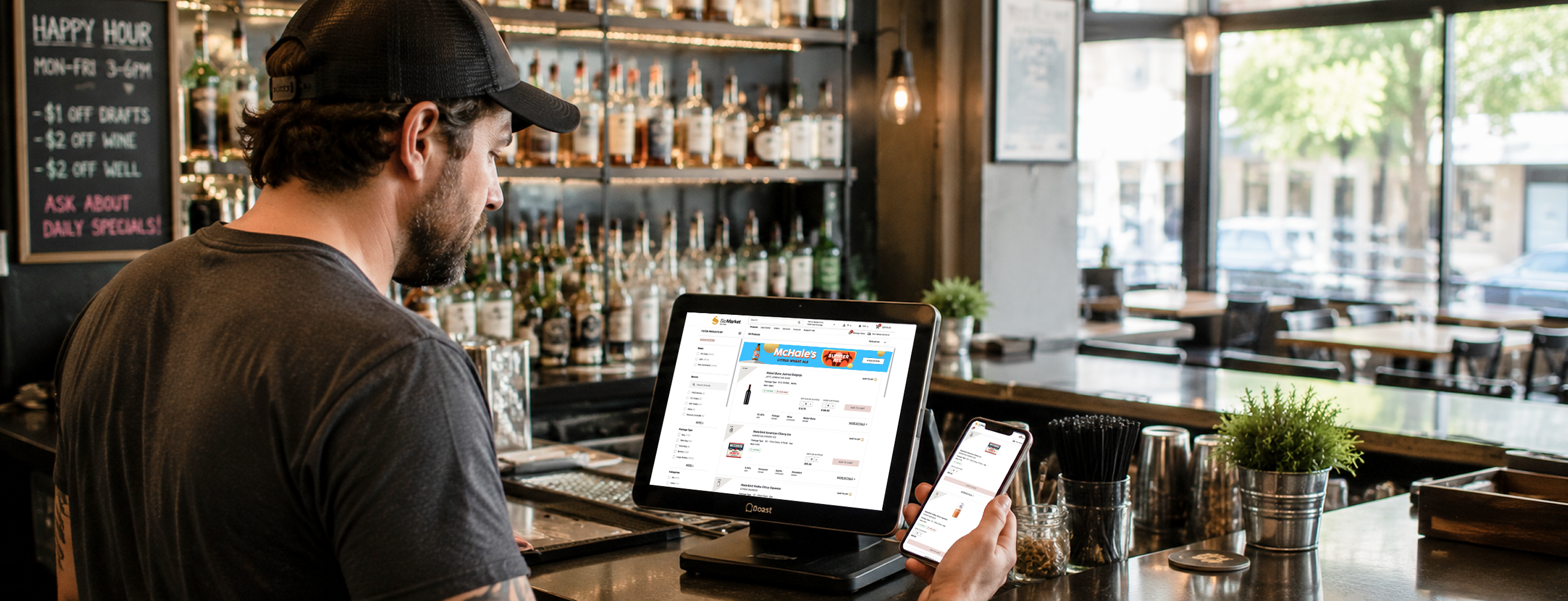
What a lot of owners don't realize is that they've got a quiet helper sitting right there, and they're already paying for it. A modern POS quietly tracks everything in your business all day long. What's selling, when the rush hits, which regulars keep coming back. You just have to start listening.
Get Clear on What's Actually Selling
You already have a feel for what's selling, but there's a difference between a feel and a number. Most owners get there eventually, after a full inventory count and probably a Sunday morning they'd rather have back. Your POS skips all that. Pull up the sales report and the picture sharpens in about thirty seconds.
Now instead of waiting for the next count to confirm what you suspected, you've got it on demand. You'll spot your quiet winners, the items earning more than you figured, and you'll see the slow movers eating up shelf space without earning their keep. A liquor store or convenience shop gets the same read, just on SKUs instead of menu items. That hard seltzer from two summers ago? Your sales report has known about it longer than you'd like to admit.
Catch the Sales You're Missing
A lot of the sales you lose aren't stolen. They just never happen, and your POS can show you exactly where to find them. Picture running out of your bestseller on a busy Friday. That's not a small hiccup, that's money walking out the door.1 A good POS tracks stock as it sells and fires a low-stock alert before you ever hit empty.
A lot of the sales you lose aren't stolen.
Then there are your slow stretches. Pull a report by hour or day and your quiet zones jump right out, along with a few ways to do something about them.
- Happy hours and promos. Slow-period data tells you exactly when to run a weekday special or afternoon deal that actually fills the gaps.
- Pricing signals. Your POS can surface the items people love so much you could probably charge a little more for them.
- Smarter staffing. Match your schedule to the real flow of the day so you're not paying three people to stand around or leaving two people underwater during a rush.
Turn First-Timers Into Regulars
Keeping a customer costs a fraction of what it takes to win a new one, [2] and loyalty members tend to spend meaningfully more than everyone else. Built-in loyalty tools quietly track who your regulars are, what they order, and how often they come in. That lets you do small things that feel personal instead of pushy, like a birthday treat or a deal on the beer someone always grabs. People like being recognized, and they tend to pay you back in repeat visits.
Run the Place From Your Phone
A cloud-based POS lets you check sales and keep tabs on the floor from anywhere. Catch a slow night while there's still time to act, spot an odd run of voids the same day they happen, or keep a loose eye on two locations without cloning yourself. Mostly it buys small business owners something they rarely get, which is a little breathing room. The place runs just fine while you sit down to dinner with people who've started to forget what you look like.
A Few More Things It Quietly Handles
- Smarter ordering. Inventory tools keep you from over-ordering, which is just cash napping on a shelf.
- Case-to-bottle tracking. For liquor and convenience shops, the right system logs incoming cases and counts down individual bottles as they sell.
- Built-in compliance. A POS built for alcohol prompts ID checks on every sale and helps you catch overpours before they quietly add up.
You've Already Got the Tool, So Use It
Plenty of owners buy a powerful system and use a tenth of it, which is a bit like buying a sports car to sit in the school pickup line. The win comes from actually looking at what it's telling you. Pull the report, set the alerts, and do something with your slow hours. None of this takes an accounting degree or a big-company budget.
You'll keep wearing every hat, because that's the gig. Your POS isn't going to plunge a toilet or calm down a cranky regular for you. But it will hand you the numbers in plain English, and unlike everyone else on your payroll, it never calls in sick.